Why Diabetic Socks Are Not Just Regular Socks with a Label

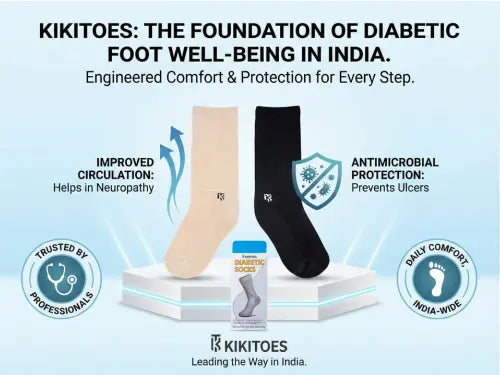
As one of the best socks brands in India, we work closely with customers, podiatrists, and textile experts to understand the real foot problems faced by people living with diabetes. It doesn’t take long for one thing to become clear: diabetic socks are not just regular socks with a fancy name. They are medically inspired, purpose-driven essentials designed to keep sensitive feet safe every day.
Diabetic socks may look like regular socks at first glance. However, the difference lies in foot-health design, material selection, pressure management, and engineering. Regular socks focus mainly on appearance or basic comfort. Diabetic socks, in contrast, focus on preventing injuries, improving circulation, and reducing friction.
Diabetes becomes more dangerous because it reduces sensation and slows healing. As a result, even minor pressure or moisture can lead to serious problems. That is exactly where diabetic socks help most. They protect feet before damage begins, not after.
How Diabetic Socks Help Prevent Foot Ulcers, Infections & Amputation
Diabetic foot ulcers rarely develop overnight. Instead, they form gradually due to pressure points, poor circulation, unnoticed cuts, or constant friction. Over time, these issues can worsen and lead to infection or, in severe cases, amputation.
Diabetic socks reduce these risks in several important ways.
First, they feature seamless or flat-toe construction that prevents rubbing against sensitive skin. As a result, blisters and pressure sores occur far less frequently.
Second, diabetic socks apply gentle, non-binding support around the calf. This improves blood flow without restricting circulation. Better circulation supports faster healing and lowers infection risk.
Most diabetic socks also use moisture-wicking and antibacterial fibres such as bamboo or advanced bamboo blends. These materials keep feet dry and help prevent bacterial and fungal growth.
When feet remain dry, cushioned, and irritation-free, ulcers struggle to form. Over time, consistent use of diabetic socks becomes a powerful preventive measure.
Common Foot Problems in Diabetes & How Diabetic Socks Reduce the Risk
People with diabetes often experience recurring foot problems. Diabetic socks help reduce the risk of many of these conditions.
Common diabetic foot issues include:
- Dry and cracked skin
- Calluses and corns
- Poor circulation
- Swelling and inflammation
- Fungal infections
- Pressure ulcers
Diabetic socks reduce these risks by adding extra cushioning to high-pressure areas such as the heel and ball of the foot. The soft inner fabric also prevents micro-tears in dry skin.
Breathable diabetic socks regulate temperature effectively, reducing excessive sweating—a common cause of fungal infections. When feet stay dry and balanced, skin health naturally improves.
Because of these combined benefits, diabetic socks offer daily protection rather than reactive treatment.
Swollen Feet, Numbness & Tingling: How Diabetic Socks Provide Relief
Swelling, numbness, and tingling are common symptoms of diabetic neuropathy. Unfortunately, tight or poorly designed socks can make these symptoms worse.
Diabetic socks address this problem differently.
Unlike tight elastic bands, diabetic socks feature non-restrictive tops. This allows swelling to fluctuate without cutting off circulation and improves blood flow through the foot and ankle.
Cushioned diabetic socks also reduce external pressure on nerve endings. This helps minimise tingling and discomfort during long periods of standing or walking.
Many people report reduced fatigue and improved comfort simply by switching to well-designed diabetic socks.
Can the Wrong Socks Increase Diabetic Foot Complications?
Yes—and this is a risk many people underestimate.
Regular socks often include tight elastic cuffs, thick seams, or rough fabric. For someone with diabetes, these features can silently cause damage. Reduced sensation means injuries may go unnoticed until they become serious.
For example:
- Tight socks restrict blood flow and worsen swelling
- Thick seams increase friction and blister formation
- Synthetic fabrics trap moisture and bacteria
Diabetic socks are designed to avoid these risks. They protect without pressure, cushion without overheating, and support without restriction.
Wearing the wrong socks daily can increase diabetic foot complications even when shoes fit properly.
Diabetic Foot Care Mistakes People Make Without Realising
Many diabetic foot problems begin with small habits that seem harmless.
People often wear socks only for warmth or style. Others choose tight socks for “support,” which actually restricts circulation. Reusing worn-out socks with poor cushioning is another common mistake.
Fabric quality also gets ignored. Low-grade materials increase friction and moisture buildup, which damages diabetic feet.
Switching to high-quality diabetic socks corrects many of these mistakes immediately and becomes a foundation habit for better foot care.
How to Choose the Right Diabetic Socks for Men

Choosing diabetic socks should follow comfort, function, and fabric science—not guesswork.
Here’s what to look for:
1. Non-binding tops
Prevent circulation issues and swelling discomfort.
2. Seamless toe design
Eliminates friction and reduces ulcer risk.
3. Breathable natural fibres
Bamboo or combed bamboo diabetic socks improve moisture control and softness.
4. Adequate cushioning
Reinforced heel and toe areas protect pressure points.
5. Proper fit
Diabetic socks should stay in place without squeezing.
For Indian climates, lightweight and breathable diabetic socks work best for daily wear.
When Should You Start Wearing Diabetic Socks?
Many people wait too long.
Ideally, diabetic socks should be worn as soon as diabetes is diagnosed. Circulation and nerve damage may begin even before symptoms appear.
People with prediabetes, long standing work hours, or a family history of diabetic complications also benefit from early use.
Diabetic socks are preventive, protective, and proactive—not just for advanced conditions. Starting early reduces long-term risks and improves daily comfort.
Why Diabetic Socks Are a Daily Health Investment
Effective diabetes management depends on consistency. Small daily habits create meaningful results, and diabetic socks fit perfectly into this approach.
They reduce friction, manage moisture, improve circulation, and protect sensitive skin throughout the day. Over time, these benefits add up significantly.
Compared to medical treatments or wound care, diabetic socks are affordable, easy to use, and non-invasive—making them one of the simplest upgrades in diabetic foot care.
Final Thoughts
Diabetic socks are not a fashion trend. They are essential tools built on medical insight, textile innovation, and real-world experience.
As a trusted socks brand in India, we believe foot care should begin before pain starts. Diabetic socks protect feet quietly, consistently, and effectively—one step at a time.
Choosing the right diabetic socks today can help prevent serious complications tomorrow. When it comes to diabetic foot health, prevention is always better than cure.