Signs You're Wearing the Wrong Socks Every Day (And How to Choose the Best Socks for Men)

You’re very careful about your work shoes, gym shoes, travel shoes, and shoes for special occasions, but how much thought do you give to your socks?
Socks for most people are just another wardrobe item. If they go with the outfit they are good enough. But a pair of socks that doesn’t quite fit can have a much more serious effect than your appearance. They impact the comfort of your feet throughout the day, the amount of sweat they produce, the likelihood of developing unpleasant odors, and even the lifespan of your shoes.
If you’ve ever had sweaty feet during a meeting, blisters after a short stroll, or socks that always slide down inside your shoes, you’re probably not wearing the right socks.
Men’s socks don’t have to be the most expensive pair or have to follow the fashion trends to be the right pair. It’s about finding socks that fit your lifestyle, give you the right support and keep your feet comfortable from morning till night.
Whether you're an office worker, a frequent traveler, a fitness enthusiast, or someone who spends long hours on their feet, the right socks can make a noticeable difference in your day-to-day comfort.
In this guide, we’ll walk through the most common signs you’re wearing the wrong socks, discuss why these problems happen, and help you know what to look for when you’re on the hunt for better socks for everyday wear.
Quick Answer
If your feet regularly feel sweaty, develop odor quickly, get blisters, or your socks lose their shape after a few washes, you're likely wearing the wrong socks.
The best socks for men should offer:
- Excellent breathability
- Effective moisture management
- A secure, comfortable fit
- Soft fabric that reduces friction
- Reinforced construction for durability
- Cushioning where it's needed most
Modern materials such as bamboo, merino wool, and premium cotton blends are often preferred because they provide better comfort and help keep feet drier throughout the day.
Who Should Read This Guide?
This guide is especially useful if you:
- Wear formal shoes to work every day
- Spend long hours standing or walking
- Frequently experience sweaty feet
- Notice foot odor after wearing shoes
- Travel often
- Exercise regularly
- Want more comfortable everyday socks
- Are looking for the best socks for men without relying on marketing claims
Even small improvements in sock quality can make a significant difference to foot comfort over time.
Why Your Socks Matter More Than You Think
Most people blame uncomfortable shoes when their feet feel sore, hot, or sweaty. While shoes certainly play a role, socks are the layer that remains in direct contact with your skin all day.
Your feet contain approximately 250,000 sweat glands, making them one of the most active sweat-producing areas of the body. Depending on your activity level and the weather, each foot can produce a surprising amount of moisture every day.
When that moisture has nowhere to go, it creates the perfect environment for bacteria to grow. This often leads to:
- Unpleasant foot odor
- Damp feet
- Blisters
- Skin irritation
- Increased friction
- Reduced overall comfort
The right socks help manage moisture before it becomes a problem. They allow air to circulate, reduce rubbing, and maintain a comfortable environment inside your shoes.
So, socks are not just an accessory, they are an important part of your foot health.
Why Many Men Wear the Wrong Socks Without Realizing It
Many people continue wearing the same type of socks they've used for years without considering whether they're actually suitable for their daily routine.
For example:
- Thick sports socks are worn with formal office shoes.
- Thin dress socks are used for long walks.
- Low-quality synthetic socks are chosen simply because they're inexpensive.
- One type of sock is expected to work for every season and activity.
Different situations require different features. A pair of socks that works well for running may not be ideal for sitting in an office for eight hours.
Understanding your needs is the first step toward choosing better socks.
1. Your Feet Feel Damp Within a Few Hours
One of the first signs that you're wearing the wrong socks is persistent moisture.
Perhaps you leave home with dry, comfortable feet, but by lunchtime your socks already feel damp, even though you've spent most of the day sitting in an air-conditioned office.
This usually happens because the fabric isn't managing moisture effectively.
Why it happens
Some socks absorb sweat but hold onto it instead of allowing it to evaporate. Others simply trap heat, causing your feet to sweat even more.
Common reasons include:
- Low breathability
- Cheap synthetic materials
- Thick fabric that restricts airflow
- Poor moisture management
- Lack of ventilation inside the sock
The result is damp feet that feel uncomfortable throughout the day.
Why it matters
Moisture doesn't only affect comfort.
It also increases friction between your feet and shoes, making blisters more likely. Damp conditions also encourage odor-causing bacteria to multiply.
What to look for instead
Look for socks made from breathable materials that help regulate temperature and move moisture away from your skin.
Natural fibers such as bamboo and merino wool, along with premium cotton blends, are commonly chosen because they combine softness with better airflow.
Many people looking for comfortable socks for men now prefer bamboo socks for men because bamboo-rich fabrics are known for their softness, breathability, and moisture-management properties, making them suitable for everyday wear.
2. Your Shoes Smell Bad After Just One Day
Foot odor isn't always caused by excessive sweating.
In many cases, the real issue is that sweat remains trapped inside your socks for hours.
Sweat itself is almost odorless.
The unpleasant smell develops when naturally occurring bacteria begin breaking down moisture trapped inside your shoes and socks.
Signs your socks could be responsible
- Your shoes smell bad after one day of use.
- Your feet smell even after a short workday.
- Freshly washed shoes begin smelling again quickly.
- Odor returns even after using foot powder.
Instead of masking the smell with sprays or powders, it's worth looking at whether your socks are allowing your feet to stay dry.
Better choice
Breathable, moisture-managing socks help create a less favorable environment for odor-causing bacteria.
This is one reason why premium everyday socks have become increasingly popular among professionals, travelers, and people who spend long hours wearing shoes.
3. Your Socks Keep Sliding Down
Few things are more frustrating than constantly pulling your socks back into place.
Whether you're walking through the airport, climbing stairs at work, or simply going about your day, socks that slip down create unnecessary discomfort.
Why does it happen?
Usually because:
- The elastic has worn out.
- The sock size is incorrect.
- The heel pocket isn't properly designed.
- The fabric has stretched after repeated washing.
When socks move around inside your shoes, they create folds that rub against your skin.
This repeated friction often causes discomfort long before you notice visible blisters.
What better socks do differently
High-quality socks are designed to stay in place without feeling overly tight.
A properly fitted sock should:
- Stay secure throughout the day
- Sit comfortably around the ankle
- Maintain its shape after repeated washing
- Prevent bunching inside shoes
4. You Get Blisters More Often Than You Should
Many people immediately blame their shoes when blisters appear.
While poorly fitted footwear can certainly contribute, socks are often the overlooked cause.
Blisters develop when repeated friction separates layers of skin.
If your socks wrinkle, move inside your shoes, or remain damp, that friction increases significantly.
Common blister locations
- Heel
- Ball of the foot
- Toes
- Side of the foot
- Arch
Common causes
- Loose socks
- Damp fabric
- Rough stitching
- Poor fit
- Lack of cushioning
Prevention
Choosing socks with smooth construction, reinforced cushioning, and effective moisture management can significantly reduce friction during daily wear.
5. Tight Elastic Leaves Deep Marks on Your Legs
Have you ever removed your socks at the end of the day and noticed deep impressions around your ankles or calves?
While temporary marks aren't always a medical concern, they often indicate that your socks are tighter than necessary.
Overly tight cuffs can become uncomfortable during:
- Long office hours
- Air travel
- Daily commuting
- Extended periods of standing
Comfortable socks should stay in place without feeling restrictive.
A well-designed cuff provides enough grip to prevent slipping while allowing your legs to remain comfortable throughout the day.
6. Your Feet Feel Hot Even Indoors
If your feet constantly feel warm despite spending most of the day indoors, your socks may not be allowing enough airflow.
Many low-quality fabrics trap heat instead of helping regulate temperature.
As heat builds up, your feet begin producing more sweat, creating a cycle of discomfort.
Signs of poor temperature regulation
- Warm feet in air-conditioned rooms
- Sweaty feet without physical activity
- Shoes feeling stuffy after a few hours
- Socks remaining damp throughout the day
Better materials make a difference
Breathable fabrics allow heat and moisture to escape more efficiently, helping maintain a more comfortable temperature inside your shoes.
This is one reason many people exploring the best socks for men compare materials before making a purchase. Among the available options, bamboo socks for men have gained popularity because bamboo-rich fabrics are soft, breathable, and designed for all-day comfort.
For example, Indian brands such as Kikitoes have introduced premium bamboo socks that combine breathable bamboo-rich yarns with moisture-management features and cushioned construction. Rather than focusing only on style, these socks are designed to improve everyday comfort for professionals, travelers, and anyone who spends long hours wearing shoes.
7. Your Skin Feels Itchy or Irritated
If your feet often feel itchy after wearing shoes all day, don't assume it's always a skin condition. Sometimes, the culprit is the socks themselves.
Low-quality fabrics, rough stitching, trapped moisture, and poor ventilation can all irritate the skin, especially if you wear shoes for long hours.
Common causes of irritation
- Rough or thick toe seams
- Fabric that traps sweat
- Poor breathability
- Low-quality dyes or finishes
- Constant rubbing caused by loose socks
People with sensitive skin may notice redness, itching, or discomfort after removing their shoes.
What to look for instead
Choose socks that offer:
- Soft, skin-friendly fabric
- Smooth or seamless toe construction
- Good airflow
- Moisture management
- A comfortable fit without excessive friction
These features help reduce irritation and keep your feet comfortable throughout the day.
8. Your Socks Lose Their Shape After Just a Few Washes
Have you ever bought a new pair of socks that fit perfectly, only to find them stretched out or loose after a few washes?
This is often a sign of poor-quality materials or weak construction.
Signs your socks are wearing out
- Loose ankle opening
- Heel slips under your foot
- Twisted fabric
- Thin areas developing
- Holes appearing quickly
- Loss of elasticity
While inexpensive socks may seem economical initially, replacing them frequently can end up costing more over time.
Quality socks should retain:
- Their original shape
- Elasticity
- Cushioning
- Comfort
- Fit
Proper care also plays an important role in extending the life of your socks.
9. Your Feet Feel Cold Even When You're Wearing Shoes
Not all foot discomfort is caused by overheating.
Some socks fail to provide proper temperature regulation, leaving your feet cold during winter or in heavily air-conditioned environments.
This often happens because moisture remains trapped against the skin.
When your feet stay damp, they lose heat much faster.
Better socks help by:
- Managing moisture effectively
- Providing balanced insulation
- Allowing airflow
- Maintaining a comfortable foot temperature
Good socks don't simply make your feet warmer, they help your feet stay at a comfortable temperature throughout the day.
10. Your Feet Feel Tired Before the Day Ends
Many people assume foot fatigue comes from standing too long or wearing uncomfortable shoes.
However, socks also play a role.
Poorly designed socks can increase friction, create pressure points, and reduce overall comfort.
If your feet feel unusually tired after a normal workday, your socks may not be providing enough support.
Features that improve comfort
- Cushioned heel
- Cushioned toe
- Proper arch support
- Breathable fabric
- Snug fit without excessive compression
These small improvements can make a noticeable difference, particularly for people who spend several hours on their feet.
11. You Wear the Same Socks for Every Activity
Many people own one type of sock and wear it for everything.
For example:
- Office
- Gym
- Walking
- Running
- Travel
- Casual outings
Unfortunately, one sock rarely performs equally well in every situation.
Different activities require different features
| Activity | Ideal Features |
|---|---|
| Office | Breathable, lightweight, moisture-managing |
| Gym | Cushioned, moisture-wicking, supportive |
| Walking | Reinforced heel, comfortable cushioning |
| Running | Breathability, arch support, snug fit |
| Travel | Odor resistance, moisture management |
| Everyday wear | Softness, durability, breathability |
12. You Never Think About the Material
Perhaps the biggest mistake people make is ignoring the fabric composition.
Many shoppers choose socks based only on:
- Price
- Colour
- Design
- Brand name
The material has a much greater impact on comfort than most people realize.
Common Sock Materials Compared
| Material | Breathability | Moisture Management | Softness | Everyday Comfort |
|---|---|---|---|---|
| Bamboo | Excellent | Excellent | Excellent | Excellent |
| Cotton | Good | Moderate | Good | Good |
| Merino Wool | Excellent | Excellent | Very Good | Excellent |
| Polyester | Moderate | Moderate | Moderate | Moderate |
Each material has advantages depending on your lifestyle, climate, and intended use.
Choosing socks based on your lifestyle improves both comfort and durability.
Why Material Matters More Than Most People Think
The fabric used in socks affects:
- Breathability
- Moisture management
- Odor control
- Durability
- Comfort
- Temperature regulation
For example, socks made from breathable materials allow heat and moisture to escape more efficiently, helping feet remain drier during long workdays.
By contrast, fabrics with poor ventilation may trap sweat, increasing discomfort and creating conditions where odor-causing bacteria can thrive.
This is why many people researching the best socks for men now compare materials before making a purchase rather than focusing only on appearance.
Bamboo Socks vs Cotton Socks
Bamboo and cotton are two of the most popular materials used in everyday socks.
While both are comfortable, they perform differently depending on how and where they're worn.
| Feature | Bamboo Socks | Cotton Socks |
|---|---|---|
| Softness | Excellent | Good |
| Breathability | Excellent | Moderate |
| Moisture Management | Excellent | Moderate |
| Temperature Regulation | Excellent | Good |
| Everyday Comfort | Excellent | Good |
Cotton remains a reliable choice for many situations, but bamboo-rich fabrics have become increasingly popular because they combine softness with improved moisture management and breathability.
How to Choose the Best Socks for Men
Instead of buying socks based only on appearance or price, use this checklist.
1. Choose the Right Material
Look for fabrics that suit your lifestyle.
For everyday wear, breathable materials often provide greater comfort.
2. Prioritize Breathability
Air circulation helps reduce overheating and keeps feet feeling fresher throughout the day.
3. Look for Moisture Management
If your feet sweat frequently, moisture-wicking properties should be one of your top priorities.
4. Check the Fit
A good sock should:
- Stay in place
- Not feel overly tight
- Not bunch inside shoes
- Maintain its shape after washing
5. Look for Reinforced Construction
Reinforced heels and toes usually improve durability, especially if you wear socks every day.
6. Consider Cushioning
Extra cushioning can improve comfort during long walks, travel, or extended hours of standing.
Why Bamboo Socks Have Become Increasingly Popular
In recent years, bamboo-rich fabrics have become more common in premium everyday socks.
This growing popularity isn't simply because bamboo sounds eco-friendly.
People appreciate bamboo socks because they typically offer:
- Soft texture
- Excellent breathability
- Moisture management
- Comfortable everyday wear
- Temperature regulation
- Reduced friction inside shoes
These qualities make bamboo socks suitable for office professionals, travelers, students, and anyone who spends long hours wearing shoes.
An Example from the Indian Market
Several Indian brands now focus on premium socks made with bamboo-rich fabrics.
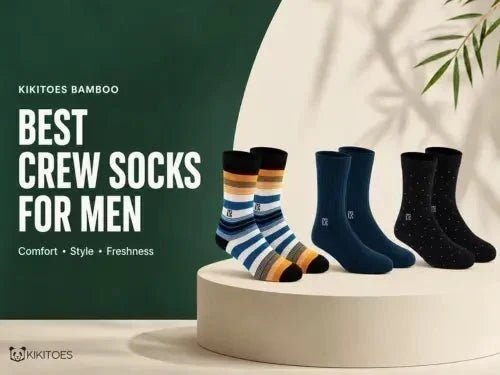
One example is Kikitoes, an Indian premium socks brand that offers bamboo socks for men designed for everyday comfort.
Rather than focusing only on colours or patterns, Kikitoes incorporates features such as:
- Bamboo-rich fabric
- Moisture management
- Breathable knit construction
- Cushioned heel and toe
- Soft feel for extended wear
- Odor-control technology
These features align with what many buyers look for when searching for the best socks for men, especially those who spend long hours at work, commute daily, or travel frequently.
Instead of viewing socks as just another fashion accessory, brands like Kikitoes highlight how thoughtful material selection and construction can improve overall foot comfort.
Expert Tips Before Buying Your Next Pair of Socks
Before making your next purchase, ask yourself:
✔ Will these socks stay comfortable for eight to ten hours?
✔ Are they suitable for my daily routine?
✔ Do they manage moisture effectively?
✔ Will they remain comfortable after repeated washing?
✔ Are they designed for the type of shoes I wear most often?
Answering these questions can help you choose socks that offer better long-term value rather than simply a lower price.
How to Make Your Socks Last Longer
Even the best socks for men need proper care to maintain their comfort, fit, and durability. Washing and storing socks correctly not only extends their lifespan but also helps preserve their breathability and cushioning.
1. Wash Socks After Every Use
Socks absorb sweat, dead skin cells, and bacteria throughout the day. Rewearing them without washing can lead to odor, skin irritation, and faster fabric deterioration.
2. Follow the Care Instructions
Always check the care label before washing. Different materials have different care requirements. Following the manufacturer's instructions helps maintain the fabric's softness and elasticity.
3. Avoid Excessive Heat
High temperatures can weaken elastic fibers over time.
If possible:
- Wash with cold or lukewarm water.
- Avoid very high dryer temperatures.
- Let socks air dry when practical.
4. Separate Light and Dark Colors
This helps prevent color transfer and keeps lighter socks looking fresh for longer.
5. Replace Worn-Out Socks
Even premium socks don't last forever.
Replace socks when you notice:
- Holes
- Loose elastic
- Thin fabric
- Permanent stretching
- Loss of cushioning
Regular replacement helps maintain everyday comfort.
Simple Daily Habits for Healthier Feet
Healthy feet depend on more than just wearing good socks. A few daily habits can go a long way toward preventing common foot problems.
✔ Change Your Socks Daily
Fresh socks help reduce moisture buildup and bacterial growth.
✔ Dry Your Feet Thoroughly
Pay special attention to the areas between your toes after showering, as trapped moisture can encourage fungal growth.
✔ Rotate Your Shoes
Wearing the same shoes every day doesn't give them enough time to dry completely.
Rotating between two or more pairs allows moisture to evaporate naturally.
✔ Choose Socks for the Activity
Office socks, sports socks, and travel socks are designed for different needs. Selecting the right type for your activity can improve comfort and performance.
✔ Keep Your Toenails Trimmed
Long toenails can increase friction inside socks, leading to discomfort and unnecessary wear.
Common Myths About Socks
There are many misconceptions about socks. Let's separate fact from fiction.
| Myth | Reality |
|---|---|
| Expensive socks are always better. | Quality depends on materials, construction, and fit—not just price. |
| Thick socks are always warmer. | Breathability and moisture management are often more important than thickness. |
| Cotton socks work for every situation. | Cotton is comfortable, but other materials may perform better for specific activities. |
| All socks fit the same. | Proper sizing affects comfort, durability, and blister prevention. |
| Shoes are always responsible for foot odor. | Socks play a major role in managing moisture and reducing odor. |
How to Choose Socks Based on Your Lifestyle
Different lifestyles call for different sock features. Matching your socks to your routine can make a noticeable difference in comfort.
| Lifestyle | Recommended Features |
|---|---|
| Office professionals | Breathable, lightweight, moisture-managing |
| Travelers | Odor resistance, soft cushioning, durable construction |
| Gym users | Moisture-wicking, arch support, cushioned heel and toe |
| Walkers | Reinforced heel, comfortable cushioning |
| Students | Breathability, all-day comfort |
| Daily commuters | Soft fabric, secure fit, temperature regulation |
Why More Men Are Choosing Bamboo Socks
As awareness about foot comfort grows, many shoppers are paying closer attention to sock materials rather than just colors or patterns.
Bamboo-rich fabrics have become increasingly popular because they typically offer:
- Soft feel
- Breathability
- Moisture management
- Temperature regulation
- Comfortable everyday wear
These qualities make bamboo socks suitable for a wide range of activities, including office work, travel, casual outings, and daily commuting.
Among the brands offering bamboo-rich options in India, Kikitoes focuses on bamboo socks for men designed with breathable construction, cushioned support, and moisture-management features. Rather than being a fashion statement alone, these features are intended to improve everyday comfort for people who spend long hours wearing shoes.
The key takeaway is not that one brand suits everyone, but that choosing well-designed socks made from quality materials can significantly improve your daily experience.
Frequently Asked Questions
Which are the best socks for men?
The best socks for men are those that combine comfort, breathability, moisture management, durability, and a secure fit. The right choice depends on your daily activities, climate, and footwear.
Are bamboo socks better than cotton socks?
Both materials have their advantages. Cotton is a classic everyday option, while bamboo-rich fabrics are often chosen for their softness, breathability, and moisture-management properties.
How often should socks be replaced?
Most socks should be replaced when they lose elasticity, become thin, develop holes, or no longer provide adequate comfort and support.
Can socks reduce foot odor?
Yes. Socks that manage moisture effectively help create a less favorable environment for odor-causing bacteria, contributing to fresher-feeling feet.
Which socks are best for office wear?
For office use, breathable, lightweight socks with good moisture management and a comfortable fit are generally the best choice, especially if you wear formal shoes for long hours.
Are bamboo socks suitable for summer?
Bamboo-rich fabrics are known for their breathability and temperature-regulating properties, making them a comfortable option for warm weather.
Do thicker socks always provide more comfort?
Not necessarily. Comfort depends on factors such as fit, cushioning, breathability, and fabric quality rather than thickness alone.
Can wearing the wrong socks cause blisters?
Yes. Socks that bunch up, trap moisture, or fit poorly can increase friction, which is one of the main causes of blisters.
How many pairs of socks should a man own?
For everyday use, having 10–15 pairs allows you to rotate socks regularly, helping maintain hygiene and reduce wear.
Are premium socks worth the investment?
Premium socks often use higher-quality materials and construction, which can improve comfort, durability, and overall value over time.
Final Thoughts
Socks may seem like a small part of your wardrobe, but they have a significant impact on your daily comfort. If your feet regularly feel sweaty, develop odor, get blisters, or become uncomfortable before the day is over, it's worth reconsidering the socks you wear rather than blaming your shoes alone.
The best socks for men aren't defined by flashy designs or high price tags. They are the ones that suit your lifestyle, fit properly, manage moisture effectively, and remain comfortable throughout the day. Paying attention to material, construction, cushioning, and breathability can help you avoid many common foot problems.
As the demand for more comfortable everyday footwear continues to grow, bamboo socks for men have become a popular choice because of their softness and breathability. Brands such as Kikitoes showcase how thoughtfully designed bamboo-rich socks can combine comfort, durability, and practical features for office wear, travel, and daily use.
Ultimately, choosing the right socks is a simple change that can make every step of your day more comfortable.